What is shibari? Meaning, history and safety basics
What shibari is, where the word comes from, why people practise it and what safety asks of everyone involved. A calm first guide for adults, not a tutorial.
By the SOMAS Management editorial team 6 min read
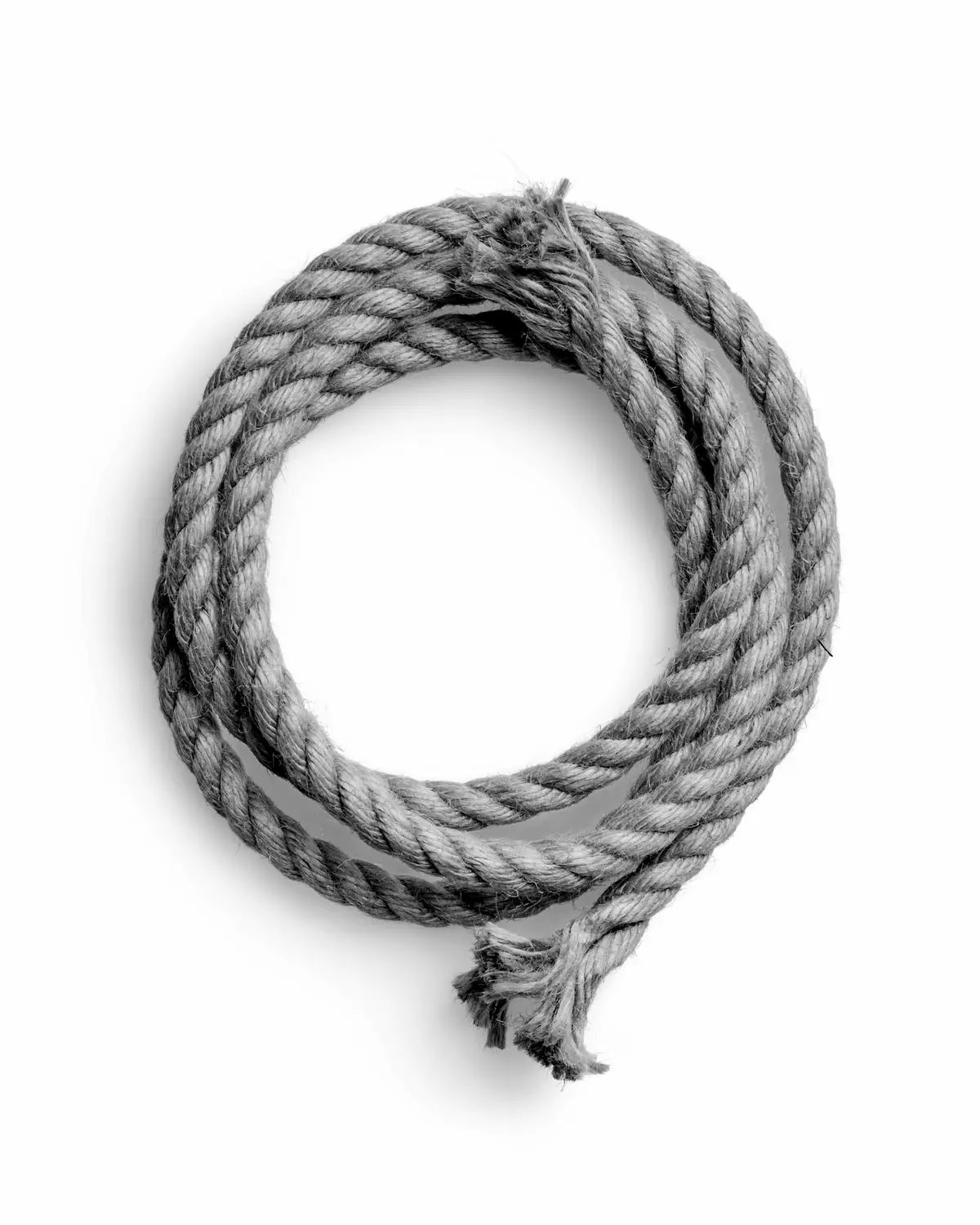
Shibari is a Japanese art of tying a person with rope. Ask what shibari is and you will hear very different answers, because the word covers an old craft, a stage and photographic art, and a private practice between adults that some people find calming, some find intimate and some find simply beautiful. This guide explains the word, the reasons people are drawn to it, what a session is made of and what safety asks of everyone involved. It is written for adults. It is not explicit, and it is not a tutorial: ties are learned in person, and nothing on this page describes one.
What the word means
In Japanese, shibari means tying or binding, in a very general sense. In kink communities around the world it has come to name a decorative style of rope bondage, in which a person is tied in patterns that are meant to look beautiful as well as to hold. The older term kinbaku, which means tight binding, is often used for the erotic art as a whole. Some people use the two words for two different things, others use them as synonyms, and practitioners do not always agree. You will meet both, and neither is wrong.
The authors of a medical paper on rope injuries describe the practice as the voluntary and aesthetic binding of one person by another, carried out for aesthetic or psychosexual satisfaction. The key word is voluntary. Everything else on this page follows from it.
- Shibari
- A Japanese word for tying or binding, used by many people for the decorative style of rope bondage.
- Kinbaku
- A Japanese word meaning tight binding, often used for the erotic art of rope as a whole.
- Rigger
- The person who ties.
- Rope bottom
- The person who is tied.
- Suspension
- Tying in a way that lifts the body, or part of it, off the floor. It calls for particular caution.
Why people are drawn to it
Motives vary widely. In the paper cited above, some people described wanting to surrender and to trust a partner, and others wanted introspection and solitude. Some looked for a sense of calm, for sensory exploration, for curiosity and novelty, or for the beauty of the shapes. Some described feeling absorbed in sensation rather than in a result. Touch, rope and knots become a way of communicating that needs few words, which is part of the attraction.
None of this is required of you. Curiosity is enough, and reading about shibari is a perfectly good way to find out whether it interests you at all. If you would like to go slowly, exploring at your own pace shows how to say “not yet” without apologising.

Where it comes from
The art grew out of older restraint methods used on prisoners in the Edo period. In the twentieth century, an artist named Seiu Ito is credited with turning it into an erotic art form, drawing on painting and traditional theatre. The story has darker chapters than the pictures suggest, which is a good reason to tell it honestly, and the history of shibari does so with its sources. One point matters here: today the practice is consensual, and consent is the line that separates it from its origins.
What a session is made of
Without describing any tie, a session has the same parts whatever the style.
- 1
A conversation first
Both people say what they want, what they do not want, how they feel that day and which signals they will use. A negotiation checklist gives a structure, and safewords explains how a signal works.
- 2
Rope in careful hands
Someone who has learned in person does the tying, and watches the other person closely throughout.
- 3
Constant check ins
Questions, answers and small pauses, so that anything unusual is said early.
- 4
A calm ending
The rope comes off slowly, and both people take time to rest, drink water and talk. Aftercare describes what that looks like.
Safety comes first
A bondage safety flyer written for the community puts it plainly: bondage can be sexy and fun, but it can also be dangerous. The basics it lists are simple, and they apply to every style, from the bedroom to the stage.
Before any rope
- A conversation about limits, health and signals, before anything starts.
- A safeword or signal that everyone understands, and that ends everything at once.
- Both people completely sober.
- Safety shears within reach, and practice in using them.
- Nobody left alone while tied.
- Learning in person, in a class, from someone who teaches safety first.
The physical risks are real, and they are set out, with their sources, in Shibari safety, a page that carries a note that a professional review is planned. Suspension deserves particular caution and is best left to experienced teachers. A picture of a position is never a reason to copy it.
Learning and practising responsibly
Skill is learned in person, step by step, from someone who watches the other person as closely as the rope. How to learn shibari safely explains how to find a class and what to ask. If you ever think about being photographed or filmed in rope, rope photography covers consent and privacy for both people.
Respecting the culture
Shibari comes from Japan, and its vocabulary, its aesthetics and its history belong to a culture that deserves to be named and credited. It helps to use the words correctly, to say where an idea comes from and to avoid treating rope as a costume. A good teacher will tell you what they learned and from whom.
Shibari and your own limits
Your limits come first, as they do in all kink. Kink for beginners explains vocabulary, consent and negotiation, and sexual boundaries offers sentences for saying no. If you work in content, remember that exploring something in private and showing it online are two separate decisions, and you do not owe one to the other. Creating a persona you can keep up shows how to keep the two apart.
Questions about shibari
Is shibari the same as kinbaku?
The two words overlap. Kinbaku means tight binding and is often used for the erotic art as a whole, while shibari means tying and is used by many people for the decorative style. Practitioners do not all draw the line in the same place.
Is shibari always sexual?
No. Some people practise it as an art, as a performance or as a way to feel calm and connected, and others as part of their sexuality. What they share is agreement.
Do I need a partner to begin?
To be tied, you need a person you trust who has learned in person. To explore the subject, you need nothing: reading, looking at art and thinking about your limits are all valid first steps.
Can I learn from videos?
Videos can show the culture and give ideas, but they cannot watch a real person’s reactions. The practice itself is learned in person, with a teacher who puts safety first.
Is shibari safe?
It carries real risks, like any practice that puts pressure on the body. Careful preparation, consent and learning in person lower them, and the safety page sets out what public sources say.
In this guide
- The history of shibari: from Edo era restraint to art formHow shibari grew from restraint methods of the Edo period into an art form, what the artist Seiu Ito changed, and why this history matters for consent today.
- Shibari safety: nerves, communication and when to get helpWhat a medical study and a safety flyer say about the risks of rope bondage, above all nerve injury: warning signs, risk factors and when to get help.
- How to learn shibari safely: finding a teacher and a classHow to learn shibari safely: why in person teaching matters, what a good class looks like, questions to ask a teacher and warning signs to walk away from.
- Rope photography: consent, privacy and faceless framingHow to approach rope photography with care: consent to the scene and to the camera, a written agreement, privacy for both people and faceless framing.
Sources and further reading
General information, not a tutorial. Physical practices carry real risks. Learn in person from experienced people, and stop whenever anyone says stop.
Keep reading
 Desire & explorationThe history of shibari: from Edo era restraint to art form
 Desire & explorationShibari safety: nerves, communication and when to get help
 Desire & explorationHow to learn shibari safely: finding a teacher and a class
 Desire & explorationRope photography: consent, privacy and faceless framing