Rope photography: consent, privacy and faceless framing
How to approach rope photography with care: consent to the scene and to the camera, a written agreement, privacy for both people and faceless framing.
Part of the guide: What is shibari? Meaning, history and safety basics
By the SOMAS Management editorial team 5 min read
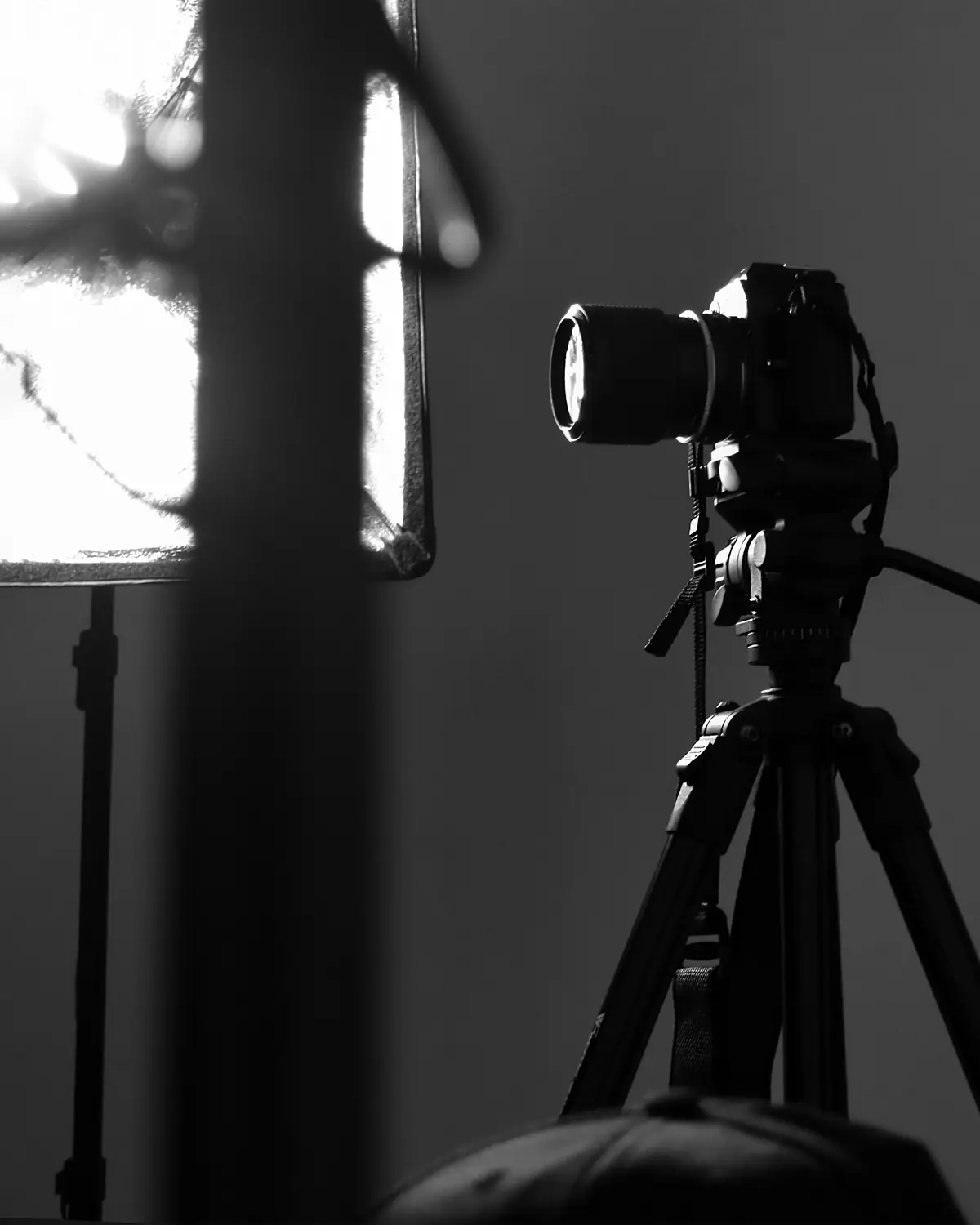
Rope is a visual art, which is why it so often appears in photographs, film and online content. Rope photography involves two kinds of trust at once: trust inside the scene, and trust about what happens to the images afterwards. This guide is for adults who may be photographed or filmed in rope, or who make such images. It explains how to treat consent as two separate questions, what to agree in writing, how to protect the privacy of both people, how faceless framing works for rope and how to keep a shoot safe. It is not explicit, and it describes no tie. Shibari: what it is is the place to start if the subject is new.
Two consents, not one
Saying yes to rope is not saying yes to a camera. The two questions deserve two answers, and each can be withdrawn at any moment: halfway through a shoot, and after the pictures exist. Nobody owes images to the person who tied them, or rope to the person who photographed them. Sexual boundaries offers sentences for saying no, and safewords explains how to stop a scene at once.
Agree in writing first
Settle these before anyone picks up a camera
- Whether a face, tattoos, scars or other recognisable features may appear.
- Where the images may be shown, and where they may not.
- How long they may stay online, and what happens to the files afterwards.
- Which name or credit is used, if any, and whether it is a working name.
- Who keeps the originals, and who may edit them.
- Whether rope marks on the skin may appear in the pictures.
- What happens if someone later asks for an image to be removed.
A safety flyer written for the community lists rope marks among the topics to negotiate before play, and the same logic applies to pictures. Writing the answers down, even in a short message that both people confirm, avoids misunderstandings. For anything with legal weight, such as who owns the images or who may reuse them, a lawyer where you live can explain the rules, which this page cannot.
Privacy for both people
Privacy applies to everyone in the picture. The person who ties may not want to be identified either, and nobody should appear in a frame by accident. Check each image for faces, distinctive jewellery, tattoos, scars, birthmarks and recognisable furniture or studio details. What a photo gives away lists the clues people forget, what hidden file data reveals explains the information stored inside a picture, and watermarks and anonymity covers marking images without exposing yourself.
Faceless framing for rope
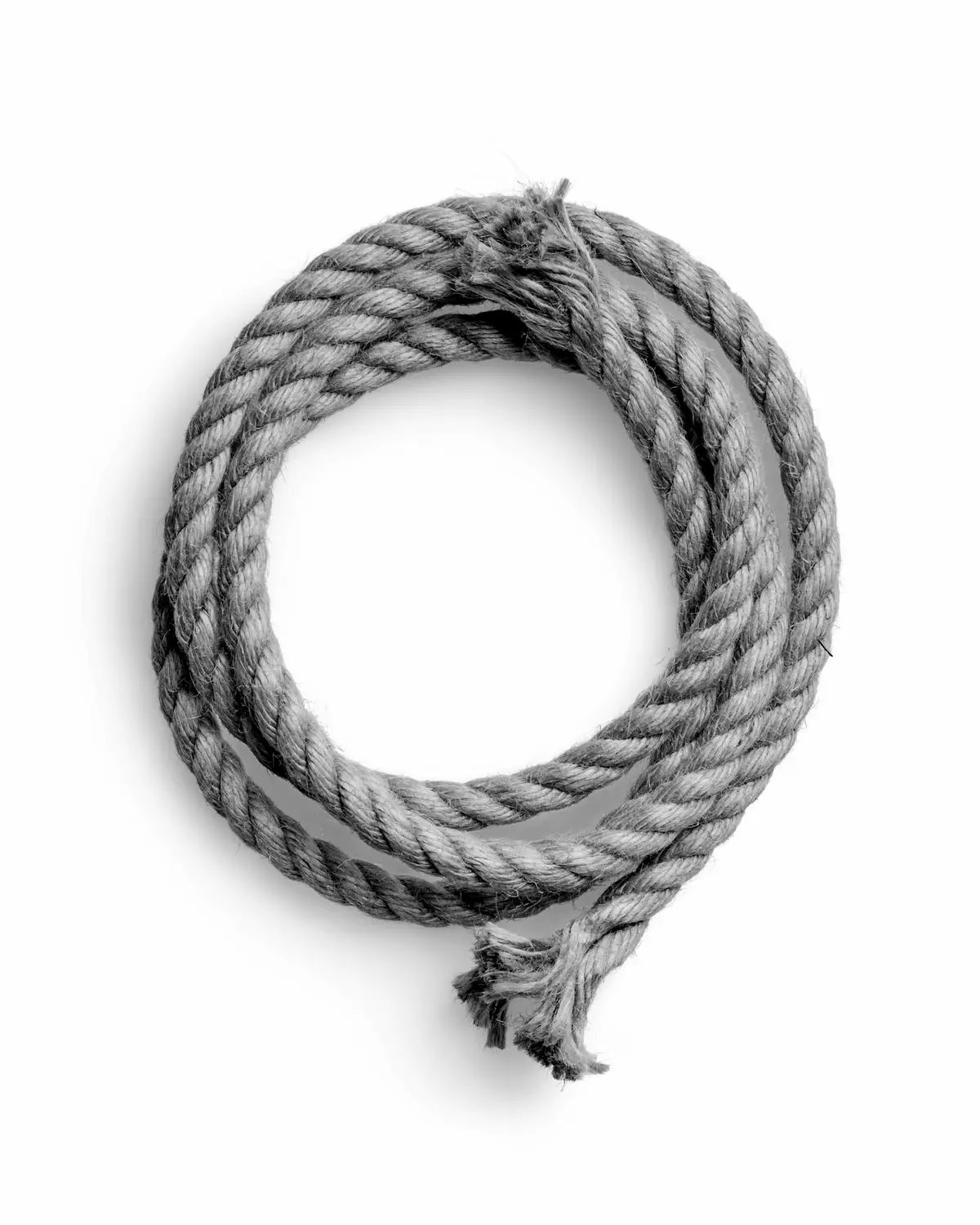
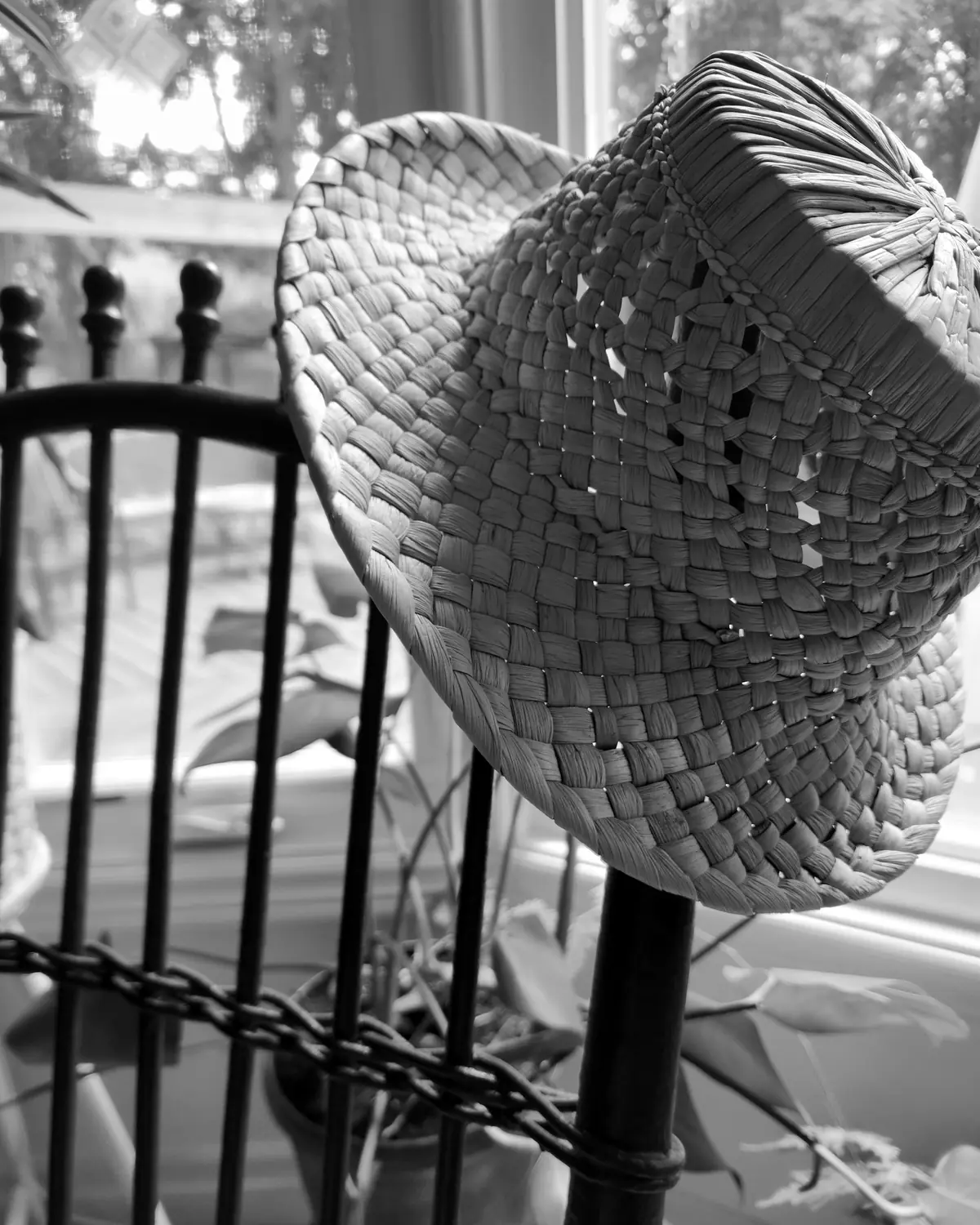
Rope suits faceless work, because its lines, patterns and textures carry the image. A few choices keep identity out of the frame while leaving the picture strong.
- Crop on purpose, so that the cut looks like a decision.
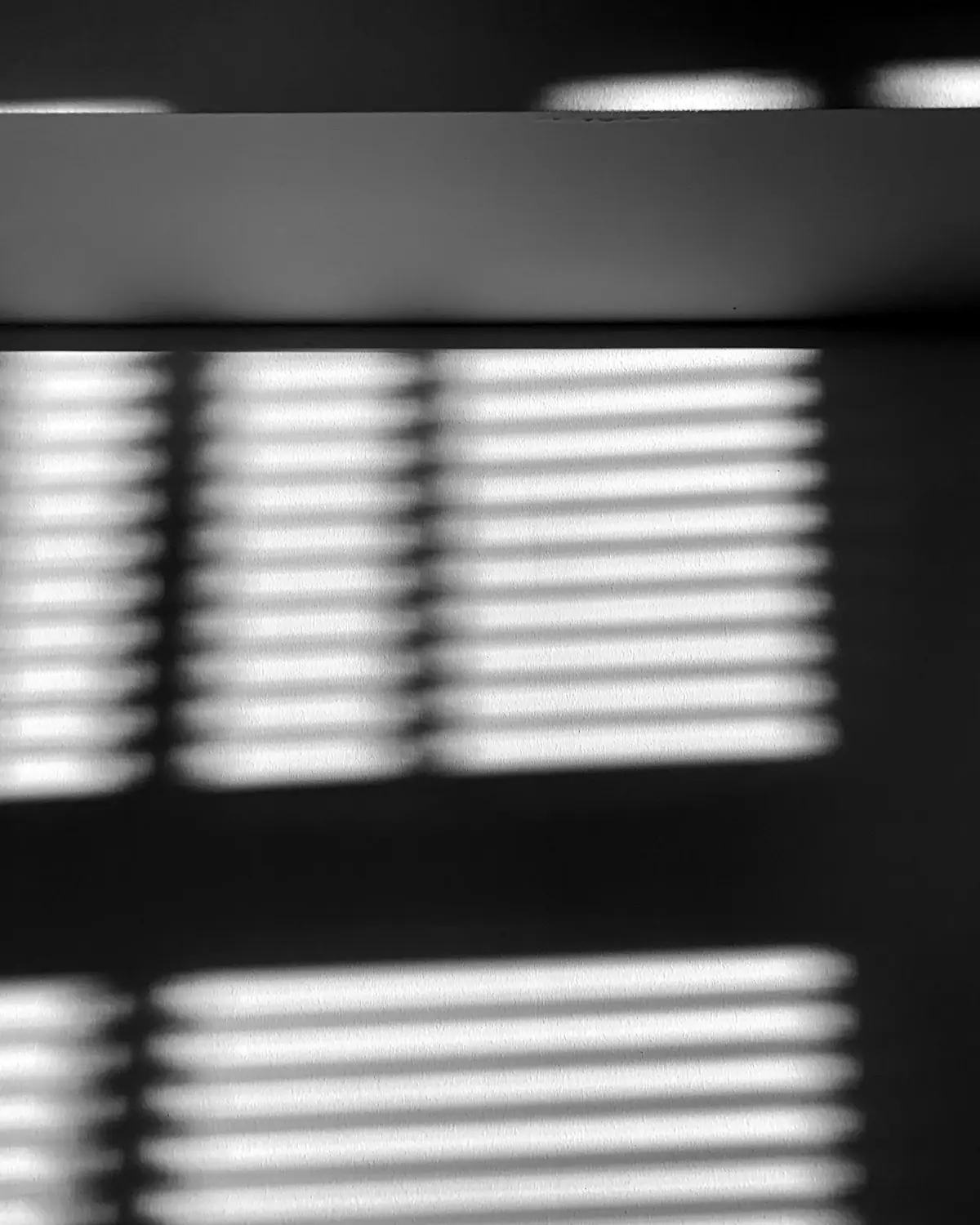
- Use shadow, silhouette and partial views.
- Look at detail: knots, lines, fabric and the light on the rope.
- Frame the body from behind, or from the shoulders down.
- Cover distinctive tattoos and scars, or crop them out.
- Keep the background plain.
A visual style for your content explains how to build a recognisable look, and faceless basics covers the wider routine.
Keeping a shoot safe
Pictures take time, and time matters when someone is tied. A few habits keep the camera from becoming a source of pressure.
- Nobody has to hold an uncomfortable position for a picture. The person in rope can stop at any moment, and never needs to apologise.
- When the person tying is also the photographer, attention is split. It is easier to stay safe when one person watches the person in rope and another takes the pictures.
- Agree a time limit before starting, and take breaks.
- Keep safety shears within reach, and make sure everyone is sober.
- Put the camera down at the first signal to stop, and do not ask for one more shot.
Shibari safety sets out what a safety flyer and a medical paper say about time, communication and distraction.
After the shoot
Share and store carefully. Keep the originals on your own device, send copies, and agree on deletion. Once an image is online it can be copied, so leaks and reposting explains what to do if an image spreads. If someone shares an image without agreement, say so clearly and ask for removal. Stalking and doxxing covers threats and what to do about them.
When pictures become part of your work
If rope content is part of your plans as a creator, keep two ideas apart: the scene belongs to the people in it, and the content is a choice you make afterwards. Faceless work, a working name and clear agreements protect you. Creating a persona you can keep up explains how to build that separation, and a conversation with your agency, if you work with one, helps you decide what suits you.
Questions about rope photography
Can I be photographed in rope without showing my face?
Yes. Faceless framing is common, with crops, shadows and detail shots. Check tattoos, scars and backgrounds as well, since they can identify you.
Can the person who tied me post the pictures?
Only if you agreed, and only where you agreed. Ask first, and ideally write the answer down.
Can I change my mind after the shoot?
You can ask, and a respectful person will listen. Once images are public, removal cannot always be complete, which is why agreements come before the camera.
Do I need a model release?
A written agreement is a good habit. What it must contain depends on where you live, and a lawyer can advise.
Can I refuse to be photographed at a class or an event?
Yes. A good event has clear photography rules, and a no is received without argument.
Sources and further reading
- Bondage safety flyer and introduction Twisted Windows
General information, not a tutorial. Physical practices carry real risks. Learn in person from experienced people, and stop whenever anyone says stop.
Keep reading